
Uganda has experienced more viral haemorrhagic fever (VHF) outbreaks than almost any other country in the world. Since 2000, it has lived through five Ebola outbreaks, four Marburg outbreaks, Crimean-Congo Haemorrhagic Fever, and Rift Valley Fever, plus chikungunya and dengue. For many Ugandans these names blur together, but the differences matter for prevention, testing, and treatment.
This article explains how each one looks, how it spreads, and how to tell them apart when symptoms start.
The big two: Ebola and Marburg
Ebola and Marburg are cousins. Both belong to the same family (Filoviridae) and cause almost identical symptoms: sudden fever, body pain, vomiting, diarrhoea, and in late stages, bleeding. The clinical picture is so similar that without a lab test, doctors cannot tell them apart at the bedside. The biggest differences are in their natural hosts and where outbreaks tend to start.
Ebola
- Natural host: fruit bats, especially the hammer-headed bat.
- Spillover: usually starts when a human contacts an infected bat, monkey, or duiker (often through bushmeat).
- Past Uganda outbreaks: Gulu (2000), Bundibugyo (2007), Kibaale (2012), Luwero (2012), Mubende-Kassanda (2022).
- Species in Uganda: Sudan ebolavirus and Bundibugyo ebolavirus, no licensed vaccine for these yet (Ervebo is for Zaire ebolavirus).
- Case fatality: 25 to 90 percent depending on outbreak and access to care.
Marburg
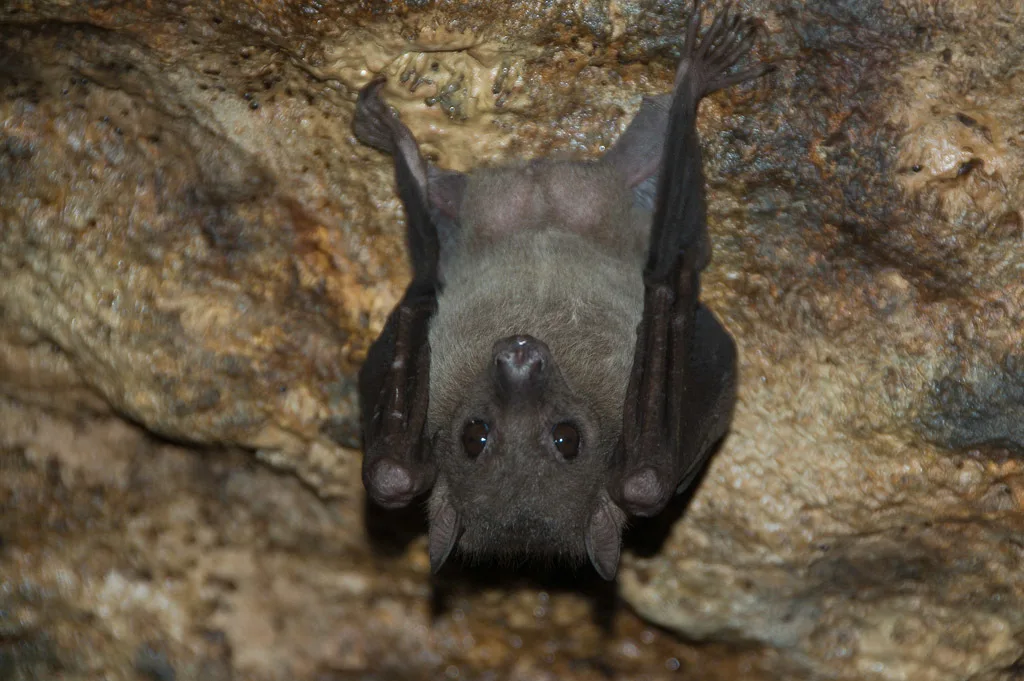
- Natural host: Egyptian fruit bats living in caves and mines.
- Spillover: almost always linked to people entering bat-infested caves or mines.
- Past Uganda outbreaks: Kabale and Ibanda (2007 and 2008, linked to a mine and a cave), Kabale (2012), Kween (2017), Mpigi (2023).
- Vaccine: no licensed vaccine, candidates in trials.
- Case fatality: 23 to 90 percent.
Side by side: Ebola vs Marburg
| Feature | Ebola | Marburg |
|---|---|---|
| Virus family | Filoviridae | Filoviridae |
| Reservoir | Fruit bats, especially hammer-headed bat | Egyptian fruit bats (cave-dwellers) |
| Typical exposure | Bushmeat, sick people, unsafe burials | Mine or cave visits, sick people, burials |
| Incubation | 2 to 21 days | 2 to 21 days |
| Early symptoms | Fever, headache, body pain, weakness | Fever, severe headache, malaise, muscle pain |
| Distinct feature | Sore throat is common early | Severe headache and "ghost-like" facial appearance |
| Diagnosis | PCR at UVRI | PCR at UVRI |
| Vaccine | Ervebo for Zaire only, none for Sudan species in Uganda | No licensed vaccine |
| Treatment | Supportive care, monoclonal antibodies for Zaire | Supportive care only |
Other haemorrhagic fevers reported in Uganda
Crimean-Congo Haemorrhagic Fever (CCHF)
- Spread by: Hyalomma ticks on livestock (cattle, goats, sheep). Also by direct contact with blood from infected animals during slaughter, or from infected humans.
- Risk groups: herders, slaughterhouse workers, vets, healthcare workers.
- Symptoms: sudden fever, severe headache, back pain, abdominal pain, mood changes. Bleeding from gums, nose, and bruising 3 to 6 days in.
- Case fatality: 10 to 40 percent.
- Distinct clue: a history of tick bite or recent livestock contact before symptoms started.
Rift Valley Fever (RVF)
- Spread by: mosquito bites, contact with infected animal fluids (cattle, sheep, goats).
- Risk groups: rural farmers, slaughterhouse workers, those drinking unpasteurised milk.
- Symptoms: usually mild fever and aches, like flu. A small percentage (1 to 2 percent) develop severe disease with bleeding, encephalitis, or eye damage.
- Case fatality: usually under 1 percent in mild cases, up to 50 percent in severe cases.
- Distinct clue: mass deaths or abortions in livestock often precede human cases.
Lassa fever
- Spread by: contact with food or surfaces contaminated by the urine or droppings of the multimammate rat. Person-to-person spread through body fluids.
- Risk groups: people living in rural areas with rat infestations, healthcare workers.
- Status in Uganda: not endemic in Uganda but cases imported from West Africa have been documented. Watch for travellers from Nigeria, Sierra Leone, Liberia, Guinea.
- Symptoms: fever, sore throat, cough, then GI symptoms and bleeding in severe cases. Permanent hearing loss in about a third of survivors.
- Treatment: ribavirin if started early.
Yellow fever
- Spread by: Aedes mosquitoes.
- Symptoms: fever, jaundice (yellow eyes/skin), bleeding from the gums and nose.
- Vaccine: single-dose vaccine gives lifelong protection. Required for entry to many African countries.
- Distinct clue: jaundice early in the illness sets it apart from Ebola or Marburg.
Chikungunya and dengue
Mosquito-borne viral fevers that can cause petechiae (small bleeding spots under skin) but rarely cause life-threatening haemorrhage. Symptoms: high fever, severe joint pain (chikungunya especially), rash. Diagnosed by PCR or antibody test.
How doctors actually narrow it down
The clinical picture overlaps a lot, so doctors use a combination of clues:
- Exposure history. Did you visit a cave or mine? (think Marburg). Eat bushmeat? (think Ebola). Get a tick bite? (think CCHF). Travel from West Africa? (think Lassa). Live near livestock during a die-off? (think RVF). Yellow eyes? (think yellow fever).
- Geography. Where in Uganda did exposure happen? Outbreaks tend to cluster in specific districts.
- Symptom timeline. Filoviruses cause vomiting, diarrhoea, and rash by day 5 to 7. Yellow fever causes jaundice. CCHF causes bruising and back pain.
- Lab testing. Definitive diagnosis is PCR for the specific virus at UVRI Entebbe or the Central Public Health Laboratory.
Important: in the early stage (days 1 to 4), most VHFs look like severe malaria. Always do a malaria test first, treat malaria if positive, and watch for failure to improve, which would prompt VHF investigation.
What you should actually do during any VHF alert
The prevention rules are nearly identical for all of these:
- Avoid contact with sick people's body fluids.
- Skip bushmeat and undercooked meat.
- Avoid caves and mines during Marburg alerts.
- Use insect repellent and bed nets during RVF, yellow fever, dengue, and chikungunya alerts.
- Avoid tick bites and slaughter during CCHF alerts (wear gloves, long sleeves).
- Practice strict hand hygiene at all times.
- Call 0800 100 066 if you suspect exposure or develop high fever with unusual features (jaundice, bleeding, severe headache).
For specifics on Ebola, read our complete Ebola symptoms guide and the family prevention guide.
Keep your medical history close
During an outbreak, your medical records and travel history can speed up triage. MyMedikoz keeps both in one place on your phone.
Start free →Why Uganda sees so many outbreaks
It is not bad luck. Uganda has a perfect combination of factors: large fruit-bat colonies, dense forests where wildlife and humans meet, traditional burial practices that involve fluid contact, an active surveillance system that detects more cases than countries with weaker testing, and gold-standard reference labs at UVRI that confirm viral infections quickly.
The good news is that this combination also makes Uganda one of the world's most experienced countries at containing outbreaks. The MoH outbreak response teams are widely regarded as among the best on the continent, and most outbreaks are now stopped in under three months.
The bottom line
When someone in your community gets a sudden high fever during an outbreak alert, do not try to diagnose them yourself. The clinical pictures overlap too much. What you can do is recognise the warning signs, isolate them safely, call the hotline, and avoid traditional burial practices until cause of death is known. The Uganda MoH and UVRI handle the rest.
Track every health event, big or small
From mosquito bites to malaria tests to Ebola alerts, MyMedikoz makes it easy to keep your full health record on hand.
Download free →