
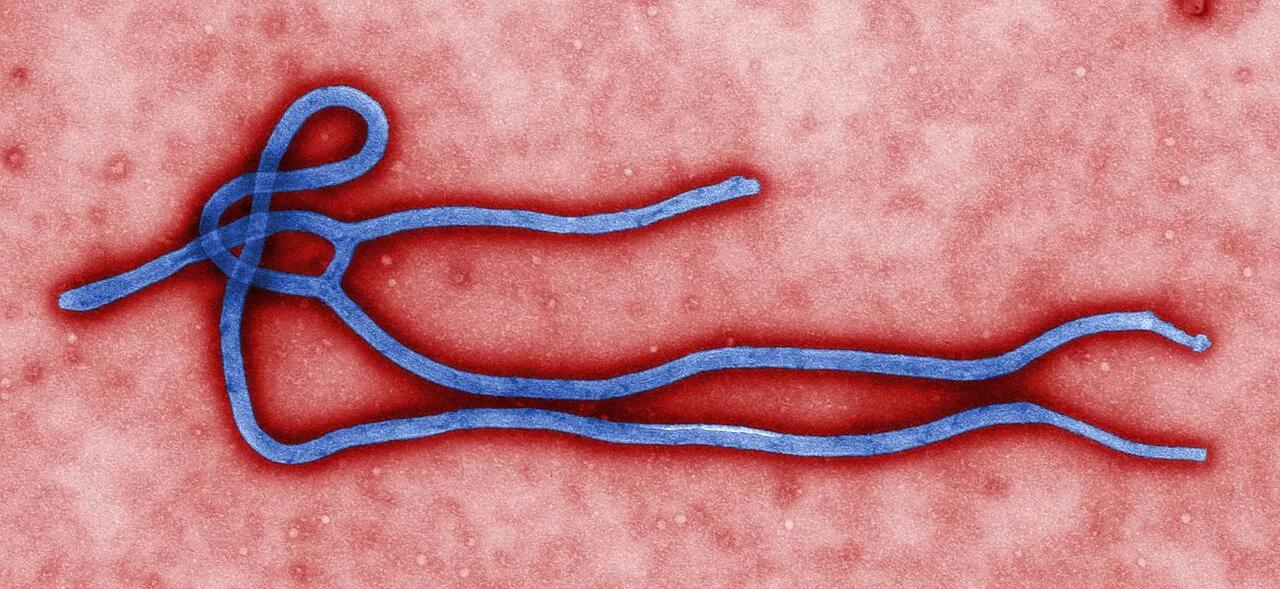
Uganda has lived through multiple Ebola outbreaks since the first one in 2000, with the most recent significant Sudan ebolavirus outbreak in 2022 centred around Mubende and Kassanda districts. Knowing the early signs can mean the difference between a contained case and a community spread event, especially since the early symptoms look almost identical to malaria, typhoid, or even flu.
This guide explains exactly what to watch for, how Ebola spreads, the incubation timeline, and what to do if you or someone close to you might be infected.
What is Ebola virus disease?
Ebola virus disease (EVD) is a severe, often fatal illness caused by viruses of the Ebolaviridae family. There are six species, but only four cause disease in people. The two relevant to Uganda are:
- Sudan ebolavirus (SUDV), responsible for the 2022 Uganda outbreak and several earlier ones. No licensed vaccine yet, though candidate vaccines are in trials.
- Bundibugyo ebolavirus (BDBV), first identified in Uganda in 2007. Case fatality around 25 to 36 percent.
Across all species, case fatality has ranged from 25 percent to 90 percent depending on outbreak and access to supportive care. Early diagnosis and IV fluids dramatically improve survival.
How Ebola actually spreads
Ebola does not spread through the air like flu or COVID. You need direct contact with body fluids. Here is exactly how transmission happens:
- Direct contact with blood, vomit, diarrhoea, sweat, urine, saliva, semen, or breast milk of a symptomatic person.
- Contact with contaminated surfaces like bedding, clothes, needles, or medical equipment.
- Burial practices that involve touching the body of someone who died of Ebola. This has been a major driver of past outbreaks in Uganda.
- Sexual transmission from a survivor whose semen still contains the virus (can persist for months after recovery).
- Animal to human, mainly from infected fruit bats, primates, or duikers handled or eaten as bushmeat.
Key point: a person is only contagious once they show symptoms. Someone in the incubation period (no fever, feels fine) cannot spread Ebola.
The incubation period
After exposure, symptoms typically appear within 2 to 21 days, with most cases showing signs around days 8 to 10. This wide window is why public health teams quarantine contacts for a full 21 days after their last possible exposure.
Early signs and symptoms (days 1 to 4)
The first symptoms of Ebola look like many other common Ugandan illnesses. This is what makes early detection hard, and why a careful history about exposure or travel is critical.
- Sudden high fever, usually above 38.6°C.
- Severe headache.
- Muscle and joint pain, sometimes very intense.
- Profound weakness and fatigue, worse than a normal flu.
- Sore throat.
- Loss of appetite.
Why this is tricky: these same symptoms describe malaria, typhoid, COVID-19, severe flu, and even hepatitis A. Most people in Uganda will have one of these other illnesses, not Ebola. The way to tell is by combining symptoms with exposure history: have you been near someone confirmed or suspected of Ebola, attended a funeral in an outbreak area, or worked in a treatment facility in the last 21 days?
Progressive symptoms (days 5 to 7)
If the disease advances, the symptoms become more distinctive:
- Vomiting, often persistent.
- Diarrhoea, can become watery and high volume, leading to dangerous dehydration.
- Abdominal pain.
- Skin rash, usually on the trunk by day 5 to 7.
- Red eyes or conjunctivitis.
- Hiccups, an underrated warning sign in late-stage cases.
- Chest pain and cough.
Severe and haemorrhagic stage (day 7 and after)
This is the stage most people associate with Ebola. Not everyone reaches this phase, but when they do it can include:
- Bleeding from the gums, nose, eyes, IV sites, or rectum.
- Blood in vomit or stool.
- Bruising and pinpoint red spots on the skin.
- Severe drop in blood pressure, shock.
- Multi-organ failure, especially kidney and liver.
- Confusion, seizures, coma.
Emergency: any bleeding combined with fever and a recent possible exposure is an Ebola emergency. Do not transport the patient in a shared taxi, do not bring them to a regular clinic. Call 0800 100 066 (Uganda MoH Ebola Hotline) or your district emergency number. Health workers will arrange safe transport.
Symptoms timeline at a glance
| Phase | Days | Main symptoms |
|---|---|---|
| Incubation | 2 to 21 | No symptoms, not contagious |
| Early | 1 to 4 | Sudden fever, headache, body aches, weakness, sore throat |
| Progressive | 5 to 7 | Vomiting, diarrhoea, abdominal pain, rash, red eyes, hiccups |
| Severe | 7+ | Bleeding, shock, organ failure, confusion |
| Recovery (if survives) | 10+ | Slow improvement, lingering joint pain, vision problems for months |
When and how to get tested
Ebola testing in Uganda is centralised at the Uganda Virus Research Institute (UVRI) in Entebbe and at the Central Public Health Laboratory. During outbreaks, mobile labs are deployed to affected districts. You cannot walk into a private clinic and ask for an Ebola test. Suspected cases are referred through the public health system after a clinical alert is raised.
If you suspect Ebola exposure or symptoms:
- Do not panic and do not travel to seek a private doctor.
- Call the Uganda MoH Ebola Hotline: 0800 100 066 (toll free).
- Stay in one room. Limit contact with anyone in the household.
- If you must call for transport, tell the operator that Ebola is suspected.
- Surveillance teams will arrange testing and isolation at a designated Ebola Treatment Unit.
Keep every fever, test, and result in one place
MyMedikoz lets you track symptoms, lab results, and clinic visits in one secure record. Useful for any illness, lifesaving in an outbreak.
Get the app free →How to protect yourself and your family
During an outbreak
- Avoid contact with anyone who has symptoms. Keep at least 1 metre of distance until you know they don't have Ebola.
- Do not touch the body or fluids of someone who died of an undiagnosed febrile illness. Wait for guidance from health workers.
- Avoid traditional burial practices in outbreak areas. Authorities will arrange safe and dignified burials.
- Wash hands often with soap and water for at least 20 seconds, or use alcohol-based sanitiser.
- Cook all meat thoroughly. Avoid bushmeat (bats, monkeys, duikers) entirely during outbreaks.
- Health workers: use full PPE including gowns, gloves, masks, eye protection, and follow strict infection control protocols.
General preparedness
- Know your nearest Ebola Treatment Unit during active outbreaks (announced by MoH).
- Save the hotline number: 0800 100 066.
- Keep your family's medical records accessible. The MyMedikoz app keeps records in one place that you can show health workers if asked.
Ebola vs malaria: how to tell the difference
This is the most common question during an outbreak. Both start with fever, headache, body pain, and weakness. The distinguishing features are:
- Exposure history, the single most important factor. Recent travel to or contact with an outbreak area shifts Ebola up the list.
- Speed and severity. Ebola tends to escalate faster and more severely than uncomplicated malaria.
- Bleeding or rash. These are not normal malaria symptoms.
- Malaria test result. If you have classic malaria symptoms and the rapid test is positive, treat for malaria. If symptoms continue or worsen despite treatment, reassess.
In doubt, get a malaria test first (our malaria testing guide). If negative and you have any exposure risk, call the hotline.
What happens after recovery
Ebola survivors can have long-term effects, sometimes called Post-Ebola Syndrome. Common issues include:
- Joint and muscle pain that can last months.
- Vision problems, including uveitis (eye inflammation) that needs specialist follow-up.
- Hearing loss or tinnitus.
- Fatigue and brain fog.
- Mental health impacts, including anxiety, depression, and PTSD.
Survivors are followed through the MoH survivor programme and should attend all check-ups. Sexual transmission risk persists for months in male survivors, so condom use is recommended for at least 12 months after recovery or until two negative semen tests.
The bottom line
Ebola is rare in any given year in Uganda, but when it appears it moves fast. The keys to surviving and stopping it are: recognise the early warning pattern of fever plus exposure history, call the hotline early, do not self-treat, and keep your family in one room until help arrives. Every Ugandan who survived the 2022 outbreak survived because they or someone around them spotted the signs and called for help.
Track your health, your way
Whether it is a regular fever or a more serious concern, MyMedikoz keeps every record in one place.
Start free →