
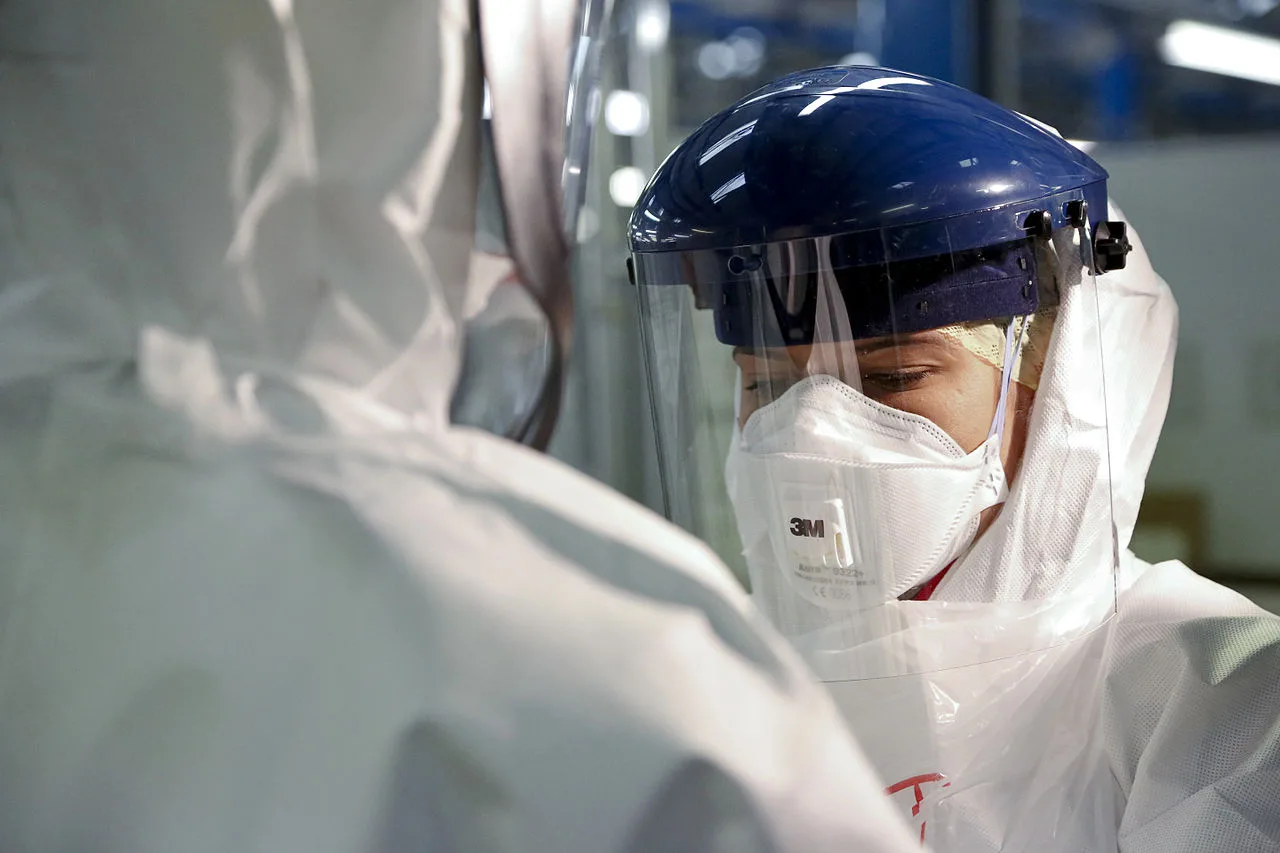
You cannot prevent every disease, but Ebola is one of the few where simple, disciplined behaviour during an outbreak can almost guarantee your family stays safe. The virus spreads only through direct contact with body fluids of a symptomatic person, so once you understand what to avoid and what to do if you cannot avoid it, the risk drops dramatically.
This guide walks through prevention in four contexts: at home, in public, when caring for someone sick, and after exposure. Save it, share it with your family, and revisit it during any Ugandan outbreak alert.
1. At home: build a daily hygiene routine
The single most effective prevention measure during any Ebola outbreak is consistent hand hygiene. Trained outbreak responders do nothing more sophisticated than this, just much more frequently and properly.
- Wash with soap and clean water for at least 20 seconds after using the toilet, before preparing food, before eating, after returning home, after touching shared surfaces, and after any contact with sick people.
- Keep alcohol-based hand sanitiser at every entry point to your home. Use whenever soap is not immediately available.
- Stock a 0.5% chlorine solution (1 part bleach to 9 parts water) for cleaning surfaces, door handles, phones, and shared items. Make fresh daily, as chlorine loses potency.
- Designate one bathroom for visitors if your home has more than one, and clean it twice daily during outbreaks.
- Avoid shared cups, plates, and towels within the household if anyone has any fever or feels unwell.
How to make the chlorine solution at home: Add 100ml of household bleach (Jik or similar) to 900ml of clean water. Stir, store in a labelled bottle, and use within 24 hours. Wear gloves when mixing.
2. In public: practical distance and hygiene
During an active outbreak in your district, layer in these habits when out of the house:
- Avoid crowded public events, especially funerals, weddings, and church gatherings if any case has been reported nearby.
- Skip handshakes, hugs, and cheek kisses. A nod or a hand-on-chest gesture works.
- Keep a metre of distance from anyone visibly sweating, vomiting, or showing fever signs.
- Carry sanitiser and use it after touching boda-boda handles, taxi doors, money, market produce, or hospital surfaces.
- Wear a mask in clinics or hospitals during outbreaks, even if you are only visiting someone else. Health facilities concentrate sick people.
- Limit hospital visits to immediate family if a relative is admitted.
3. Caring for someone sick at home
If a family member has any febrile illness during an outbreak, treat them as a suspected case until proven otherwise. Most fevers will be malaria or typhoid, not Ebola, but the cost of caution is small and the cost of getting it wrong is huge.
Set up an isolation room
- Choose one bedroom with a window for ventilation.
- Keep one designated caregiver. Avoid rotating helpers in and out, which multiplies exposure.
- Place a wash bucket with soap, water, and a 0.5% chlorine solution at the door.
- Use disposable plates and cups if possible, or soak utensils in the chlorine solution after each use.
- Keep a separate set of bedding, towels, and a chamber pot or bucket for the patient.
What the caregiver should wear
- Long-sleeved closed clothing covering all skin.
- Disposable gloves (chemist-bought is fine) on both hands.
- A face mask, ideally N95 or surgical mask plus eye protection.
- A plastic apron or rain poncho over clothing.
- Closed shoes that can be cleaned.
After leaving the room, every time
- Take off gloves first, turn them inside-out as you remove them, dispose in a sealed bag.
- Take off the apron, fold dirty-side in, soak in chlorine solution.
- Wash hands with soap for 20 seconds.
- Remove the mask without touching the front.
- Wash hands again before touching your face or other people.
Critical: if the suspected patient has bleeding, severe diarrhoea, vomiting, or confusion, do NOT continue home care. Call the Uganda MoH Ebola Hotline 0800 100 066 immediately. Wait outside the room until trained help arrives.
4. Funerals and burials
Traditional Ugandan burials involve washing the body, laying it out for viewing, and family members touching the deceased. During an Ebola outbreak, this is the single most dangerous activity, because viral load in a body after death is extremely high.
- If the cause of death is unknown and the person had any febrile illness, do not touch the body. Call the hotline for safe and dignified burial assistance.
- The MoH provides safe burial teams during outbreaks who handle the body with full PPE and bury it according to family wishes where possible.
- Postpone large gatherings. Hold a memorial service after the outbreak passes.
5. Food, water, and animals
- Avoid bushmeat entirely during outbreaks: bats, monkeys, duikers, and porcupines have all been linked to Ebola spillover.
- Cook all meat thoroughly, no rare or raw meat. Internal temperature should reach 70°C / well-done.
- Avoid handling sick or dead wild animals. Report unusual animal die-offs to local authorities.
- Boil or treat water from open sources during outbreaks. Ebola does not spread through water, but other illnesses do, and you do not want a routine diarrhoea to look like Ebola.
6. What about vaccines?
There are two licensed Ebola vaccines: Ervebo (rVSV-ZEBOV), which protects against Zaire ebolavirus, and the Zabdeno/Mvabea two-dose regimen. Neither is licensed against Sudan ebolavirus, the species in Uganda's 2022 outbreak. Candidate Sudan vaccines have been in trials since then, including one led by the Uganda Virus Research Institute. Watch for MoH announcements during outbreaks.
Ring vaccination (vaccinating close contacts of confirmed cases) is the strategy used in active outbreaks. If you are notified that you were a contact, accept any vaccine offered to you.
7. If you suspect you have been exposed
- Note the date and exact nature of exposure. Touched fluids? Shared utensils? Attended a funeral?
- Self-isolate at home in one room for 21 days from the exposure.
- Take your temperature twice daily. Any reading above 38°C is a red flag.
- Call the hotline: 0800 100 066. They will arrange testing if symptoms develop.
- Do not travel, do not attend gatherings, do not go to a regular clinic.
Track every symptom and contact in one place
MyMedikoz lets you log daily temperature, symptoms, and exposure events, all in your phone, ready to share with health workers when needed.
Start free →8. Mental health during an outbreak
Living through an Ebola outbreak in your community is exhausting. Anxiety, sleep problems, and constant fear are normal reactions. Look after your mind alongside the precautions:
- Limit how often you check social media for outbreak news. Pick two specific times a day.
- Follow MoH and WHO updates only, not rumours on WhatsApp.
- Stay connected with friends and family by phone or video, not in person.
- Keep a normal routine where possible: meals at the same time, exercise indoors, sleep schedule.
- If anxiety is overwhelming, talk to a counsellor. The Uganda MoH runs a free mental health hotline during outbreaks.
The bottom line
Ebola is one of the most feared diseases in the world, but it is also one of the easiest to break if everyone follows the same prevention rules. The community that washes hands, avoids unsafe burials, keeps distance from the sick, and calls the hotline early is the community that ends the outbreak fast. Be that family.
For early signs and what to actually do if you suspect a case, read our complete guide to Ebola signs and symptoms in Uganda.
One health record, everywhere you go
From a malaria test to an outbreak alert, MyMedikoz keeps your medical history together so you and your family are ready for anything.
Get the app →